ARCHITECTURE / FORM / FUTURE
ZAHA
HADID
Architecture beyond convention.
SCROLL TO EXPLORE
ARCHITECTURE / FORM / FUTURE
Architecture beyond convention.
A NEW LANGUAGE OF ARCHITECTURE
Movement becomes structure.
Geometry becomes space.
02 / BIOGRAPHY
1950 — 2016
Iraqi-British architect, artist and designer. A revolutionary figure who transformed the way architecture could be imagined.
Zaha Hadid was the first woman architect to receive the prestigious Pritzker Prize in 2004 — an extraordinary achievement in an industry that had long been largely male-dominated. Born in Baghdad and later based in London, she became one of the defining figures of contemporary architecture.
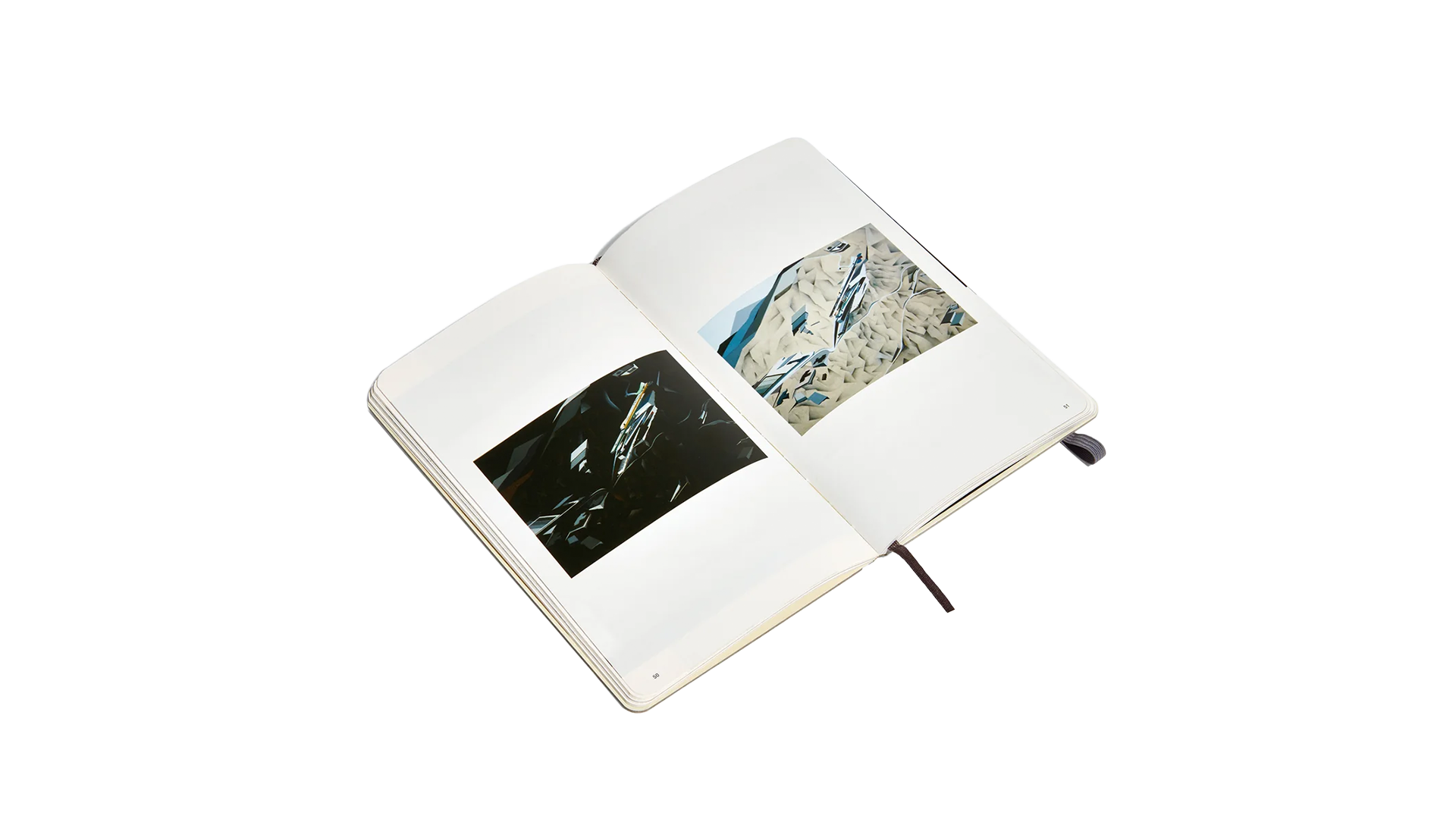
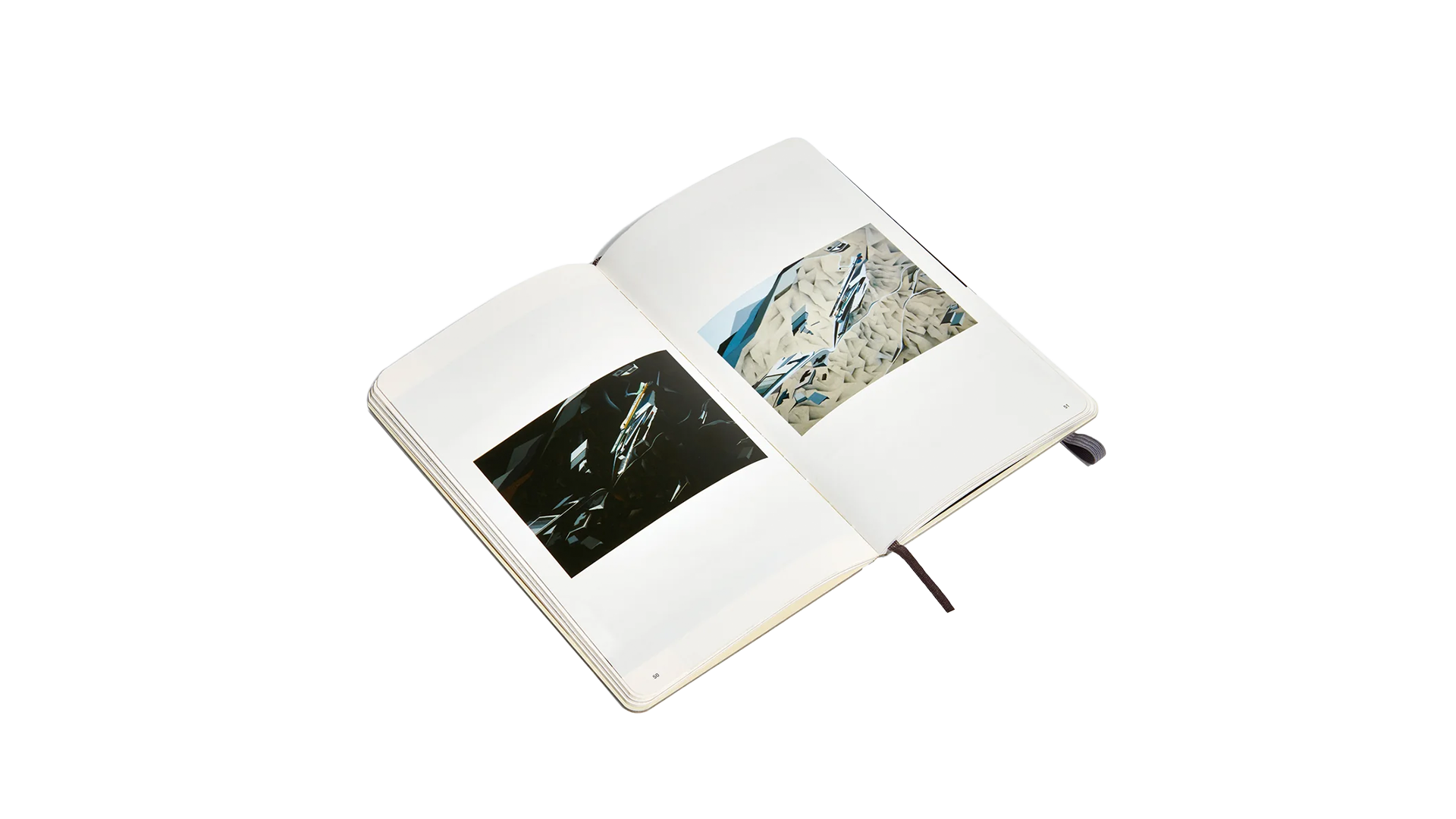
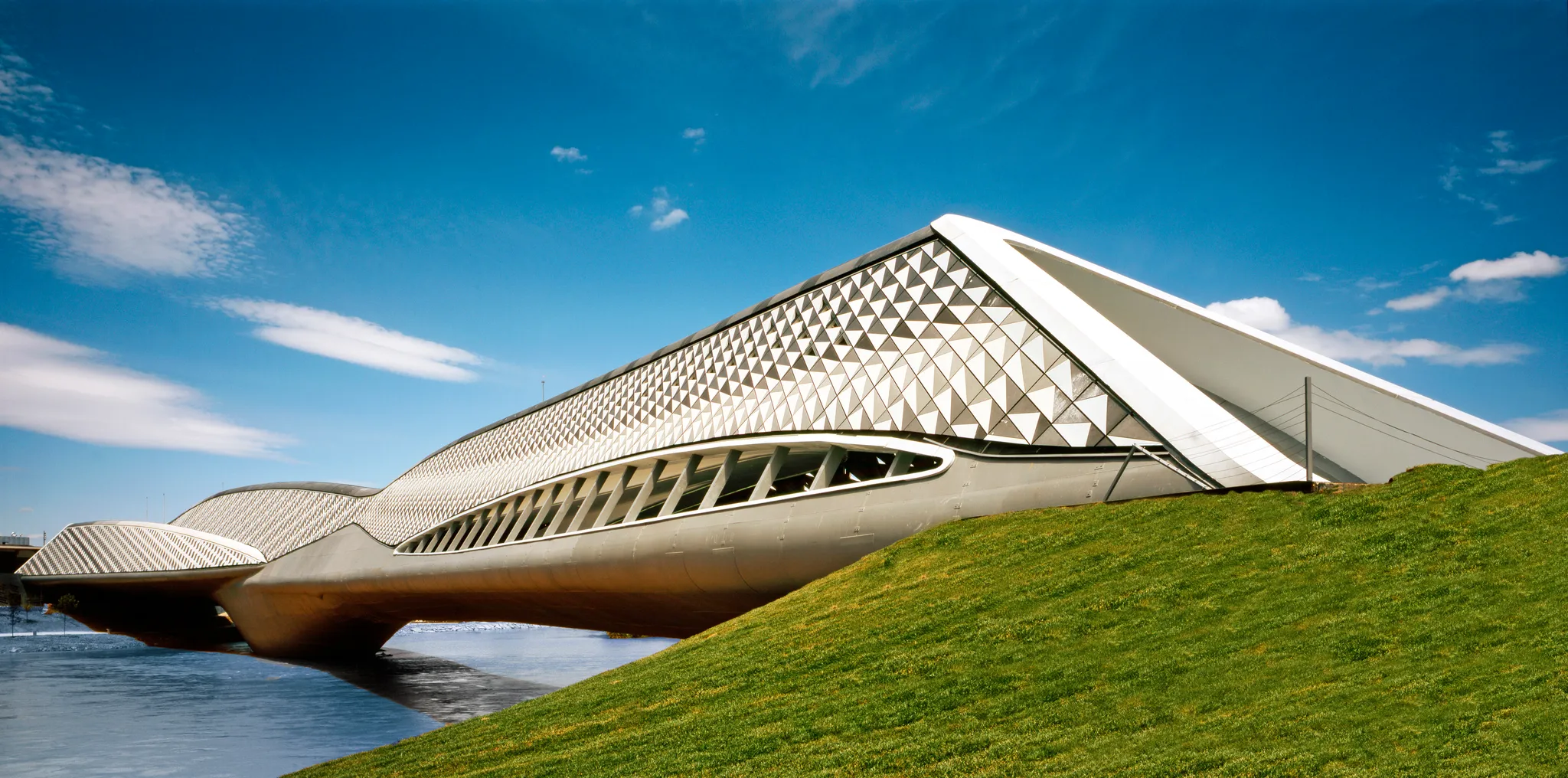
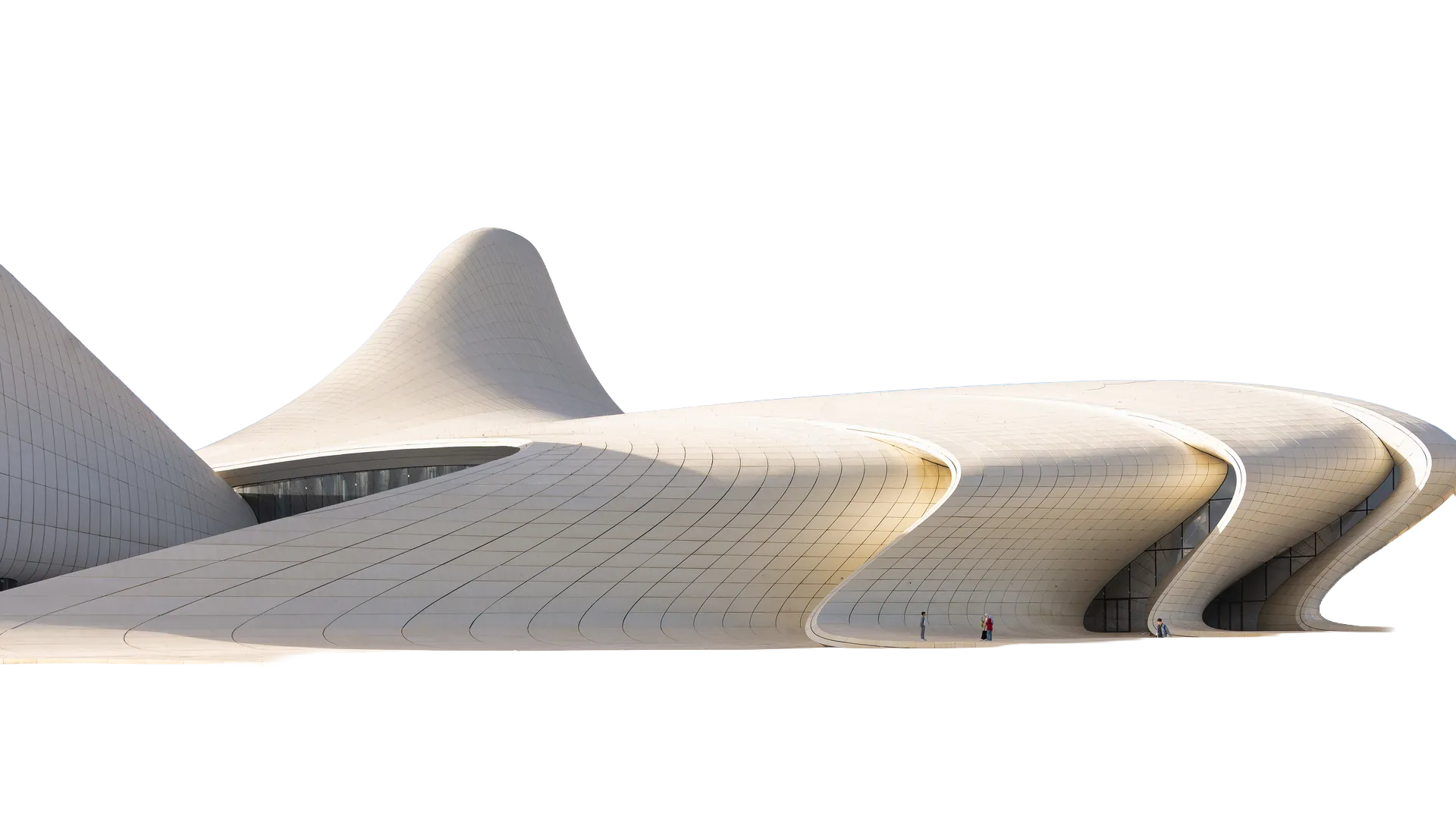
Her work challenged conventional ideas of geometry, structure and space. Through sweeping curves, fragmented forms and apparently weightless surfaces, Hadid developed an architectural language in which buildings appear to move, stretch and flow through their surroundings.
Her projects include the MAXXI Museum in Rome and the Lois & Richard Rosenthal Center for Contemporary Art in Cincinnati. Her work explored the relationship between architecture, landscape and movement, transforming buildings into dynamic public spaces.
For Hadid, architecture was never simply an isolated object. Museums and cultural buildings could become places of encounter — spaces where people meet, move and participate in the life of the city.
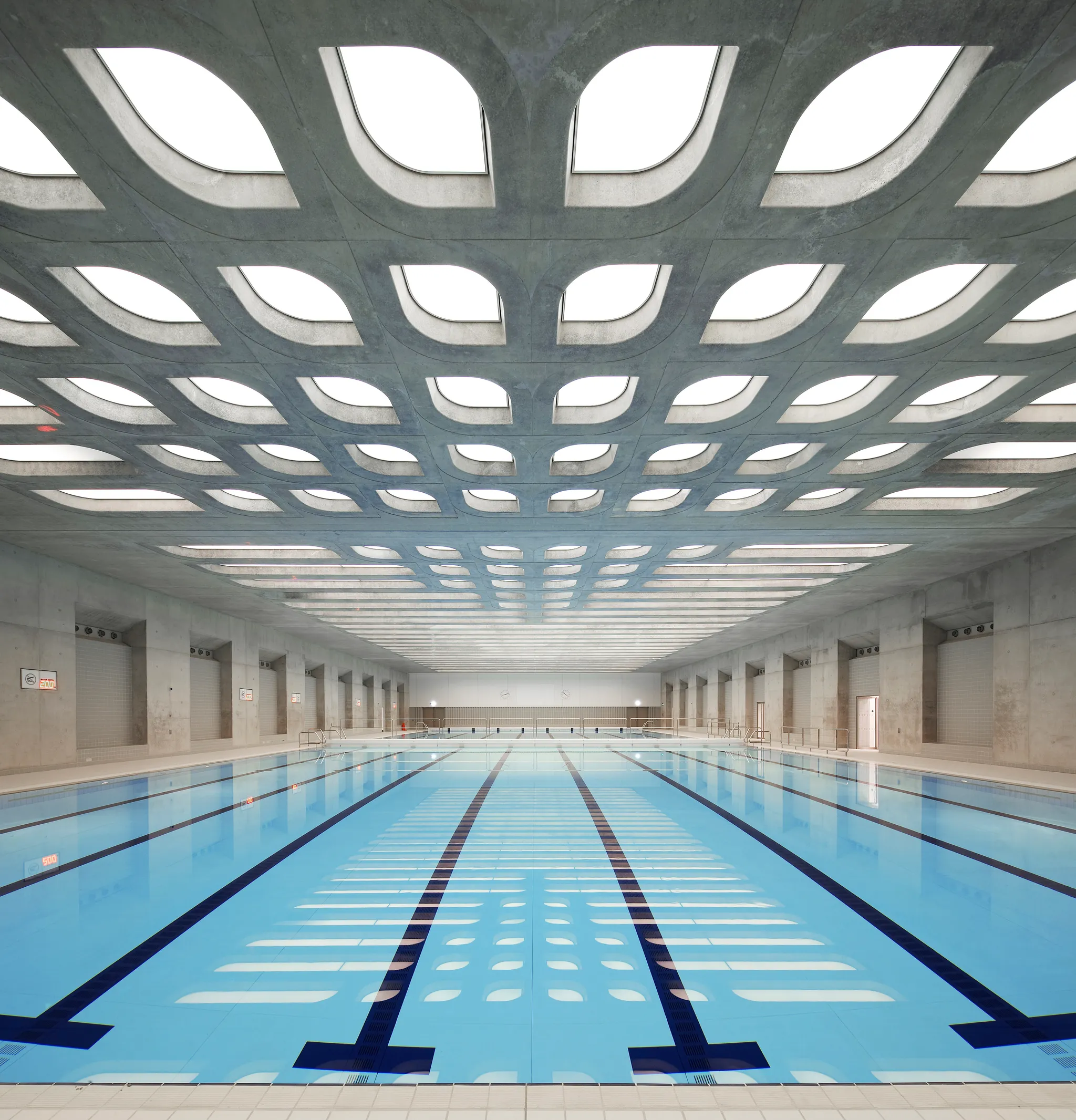
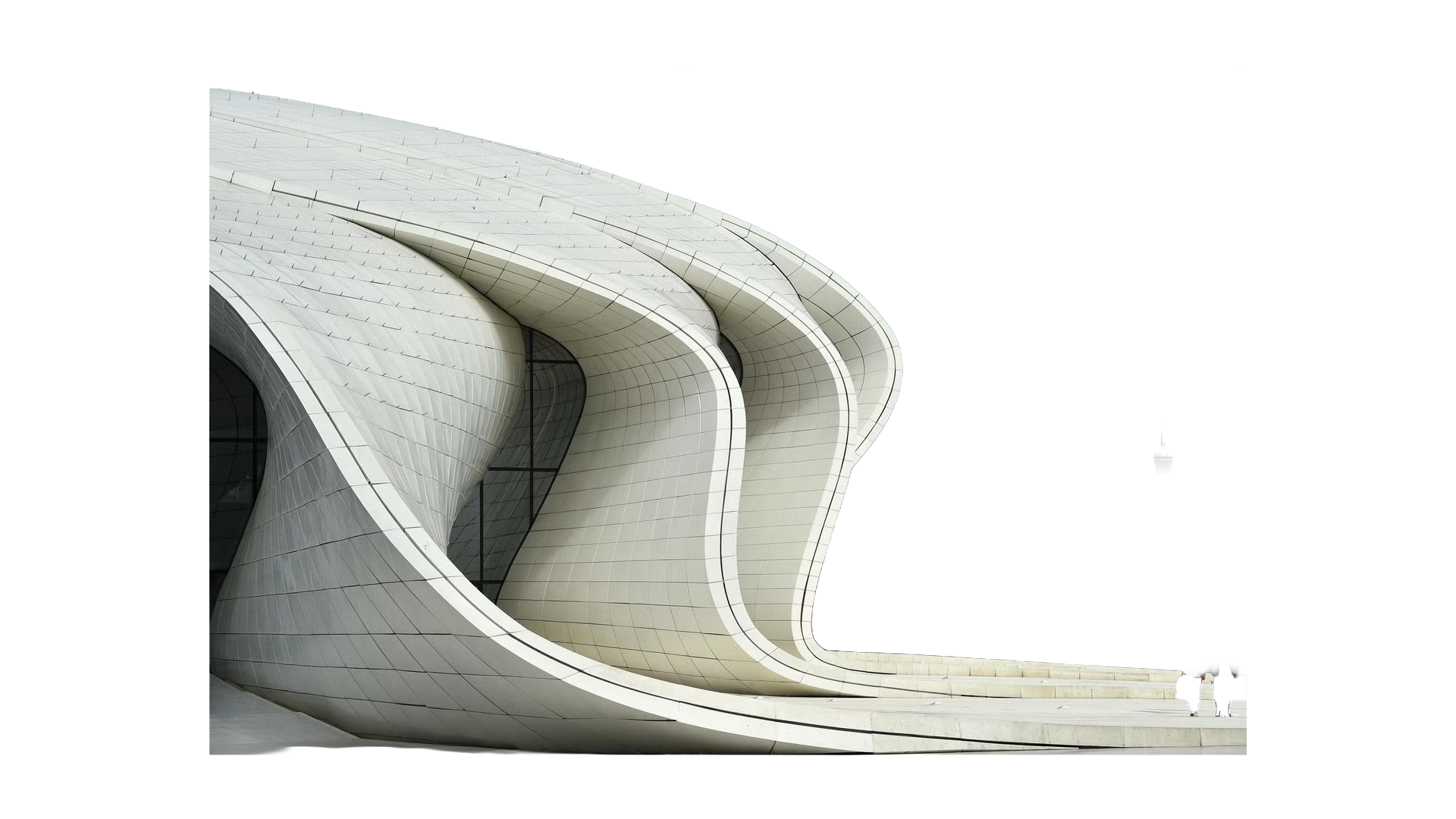
FLUIDITY / MOVEMENT / FORM
No rigid lines.
No static forms.
RADICAL THINKING / NEW GEOMETRIES
ARCHITECTURE / MOTION
03 / PRACTICE
Architecture was not an individual expression. It was collaboration, experimentation and research.
Zaha Hadid had a global impact throughout her career, both through built architecture and through unbuilt experimental forms. Following a BSc in Mathematics from the American University of Beirut, she studied architecture at the Architectural Association in London.
There she encountered architects and teachers including Elia Zenghelis and Rem Koolhaas. She later worked with Zenghelis and Koolhaas at the Office for Metropolitan Architecture before establishing her own practice.
Hadid remained deeply connected to architectural education. She taught at institutions including Harvard, Chicago and Yale and viewed experimentation, research and teaching as essential parts of architectural practice.
At a moment when the architect increasingly became a public figure, Hadid continued to insist that architecture depended upon collaboration rather than individual expression.
ZAHA HADID
ARCHITECTS
LONDON
ZAHA HADID ARCHITECTS / LONDON